The Researcher Protocol: Debugging the Human Body
When I finally stood up from that hospital bed, I didn't just blindly join a gym. I was terrified of making things worse. My body felt fragile, like a piece of code that was one syntax error away from crashing again.
So, I did what I do best: I researched.
I treated my body like a PhD thesis. I didn't want "bro-science" or Instagram influencers shouting at me. I wanted peer-reviewed mechanisms. I spent nights diving into PubMed and The Journal of Strength and Conditioning Research. I read over 150 research papers on nutrition, hypertrophy, and metabolic health. I watched deep-dive lectures from Andrew Huberman on neurobiology and Dr. Peter Attia on longevity.
I learned about Energy Balance (CICO), not as a diet rule, but as a law of thermodynamics. I learned about the Thermic Effect of Food (TEF) and why protein was metabolically expensive to digest. I learned that my "fatty liver" wasn't a curse; it was a storage overflow error.
I stopped looking at food as "fun" or "comfort." I started seeing it as data packets. Every gram of protein was a line of code to repair my hardware. Every gram of sugar was a potential bug.
The Arena: Overcoming Gym Anxiety
The first time I walked into the gym, I almost turned around and left.
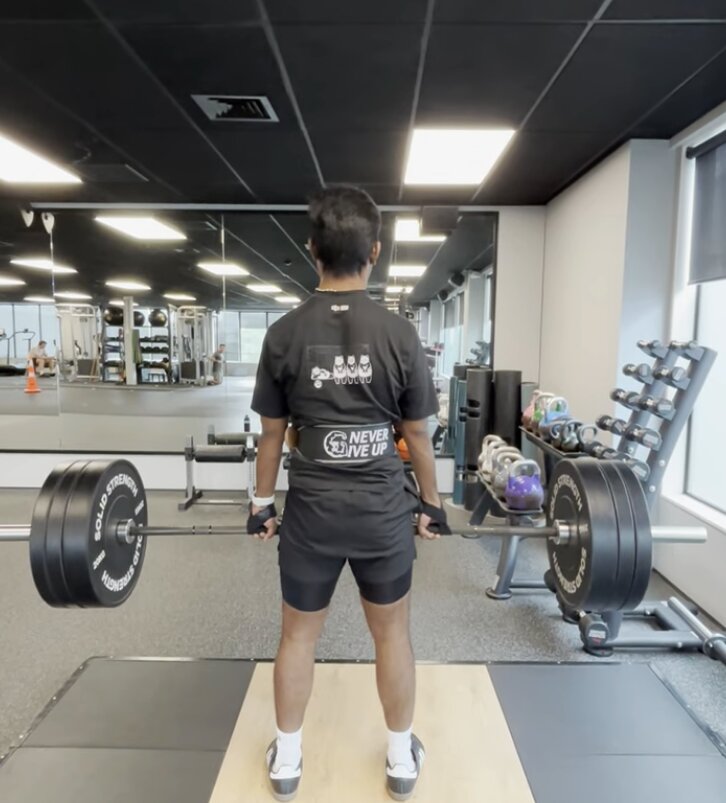
I was still the "fat kid" in my head. I felt like everyone was watching me-the guy with the surgery scars, the guy who was sweating just from warming up. I saw people deadlifting 200kg and benching my entire body weight. The "Imposter Syndrome" was suffocating.
But I remembered the hospital. I remembered the humiliation of needing help to wipe myself. I realized that the pain of embarrassment in the gym was nothing compared to the pain of liver failure.
So, I put on my headphones, blasted my playlist, and focused on progressive overload. I logged every single rep in my notebook (and later, the Hevy app).
- Week 1: Empty bar squats (20kg). My legs shook.
- Week 4: 40kg. Form felt cleaner.
- Month 6: 80kg. I felt powerful.
The First 5kg (The Silent Struggle)
The hardest part wasn't the first workout; it was the first month. I was eating clean, tracking everything, and training hard. But the scale barely moved.
I remember standing on the scale after three weeks, expecting a miracle, and seeing... nothing.
The old me would have quit. The old me would have ordered a pizza.
But the "Researcher" in me knew about water retention and cortisol. I knew that healing from surgery caused inflammation, which masked fat loss. So I trusted the process. I didn't quit. And suddenly, in week 5, the weight started dropping.
The Stats: Rebuilding the Engine (2025)
I started this journey unable to walk without pain. Today, I am living in a different reality.
| Metric | Before | After |
|---|---|---|
| Weight | >100 kg | 70 kg |
| Body Composition | Obese | Lean, Athletic |
| Liver Status | Stage 3 Fatty | Fully Recovered |
| Energy | Lethargic | High |
Total Weight Lost: ~50 kg (This number is tricky because I lost fat but gained significant muscle mass).
Powerlifting PRs
I trained my nervous system to handle heavy loads. These numbers are my badges of honor.
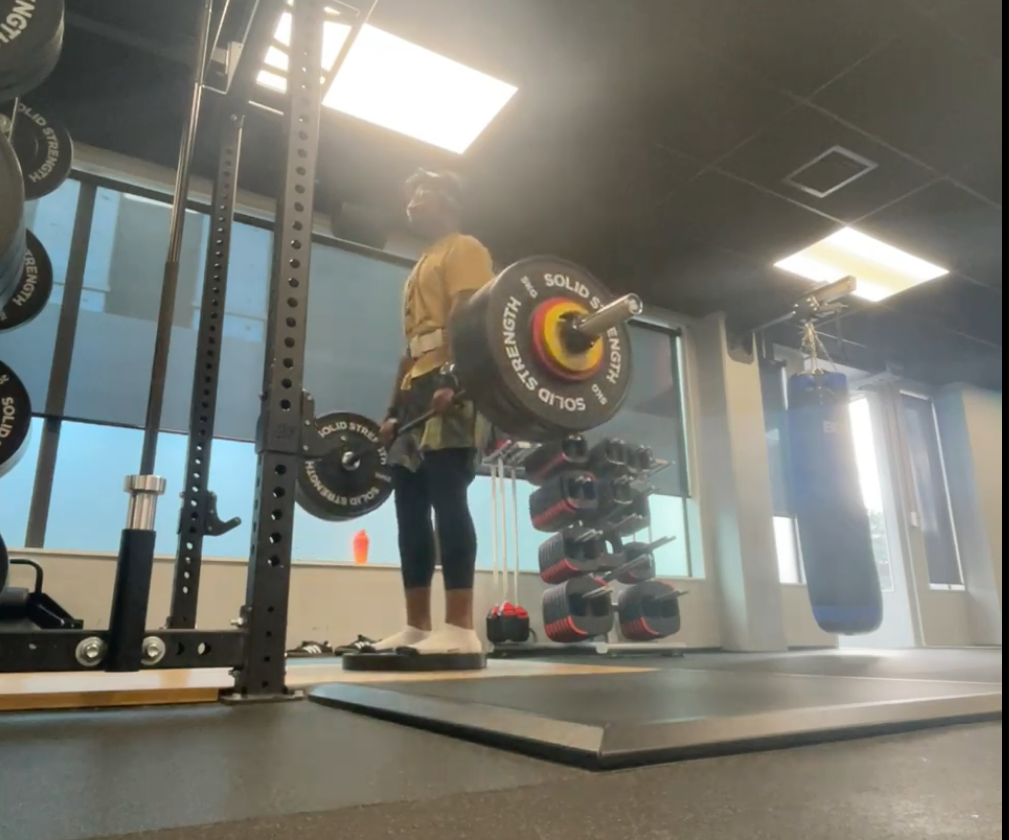
- Deadlift: 140 kg (2x Bodyweight). The first time I pulled this, I felt the bar bend. It felt like I was ripping the floor apart. I stood up with it and felt invincible.
- Squat: 112.5 kg. Deep, controlled, pause at the bottom.
- Bench Press: 60 kg. My hardest lift due to my long arms, but I fought for every kilo.
Calisthenics & Functional Mastery
I didn't just want to be strong; I wanted to be nimble.
- Push-ups: 28 reps in a single attempt (Strict, chest-to-floor).
- Pull-ups: 12 reps (Dead hang to chin over bar).
- Running: I can now run a continuous 5km.
- Confession: I still "hate" cardio. It's boring. But I respect the biology. My heart needs it, so I do it.
The Struggle: Setbacks, Injuries, and "Self-Physio"
This wasn't a linear ascent. It was a jagged line. I pushed too hard. I let my ego take the wheel. And I paid the price.
1. The Shoulder Snap (Rotator Cuff)
I was chasing a bench press PR. I flared my elbows too much. Pop.
The next morning, I couldn't lift my arm to brush my teeth. The depression tried to creep back in. I remember lying awake at 3 AM, my shoulder throbbing, thinking, "You broke it again, Tamil. You're done. You'll never lift again."
The "Self-Physio" Protocol:
I refused to accept defeat. I researched tendon rehabilitation.
- The Fix: Isometric Holds.
- The Science: Isometrics induce cortical inhibition, reducing the brain's perception of pain while allowing the tendon to load without shear force.
- The Grind: I stood against a wall, pressing the back of my hand into it for 45 seconds. It was boring. It was painful. My deltoid burned like fire. I did this 4 times a day, every day, for weeks.
- The Result: I rebuilt the cuff. Now, my bench is pain-free and stable.
2. Quad Tendonitis (The Knees on Fire)
Squatting heavy three times a week caught up to me. My knees started feeling like there was a hot needle under the kneecap (Patellar Tendonitis). Walking down stairs was agony.
The "Self-Physio" Protocol:
- The Fix: Tempo & Spanish Squats.
- The Method:
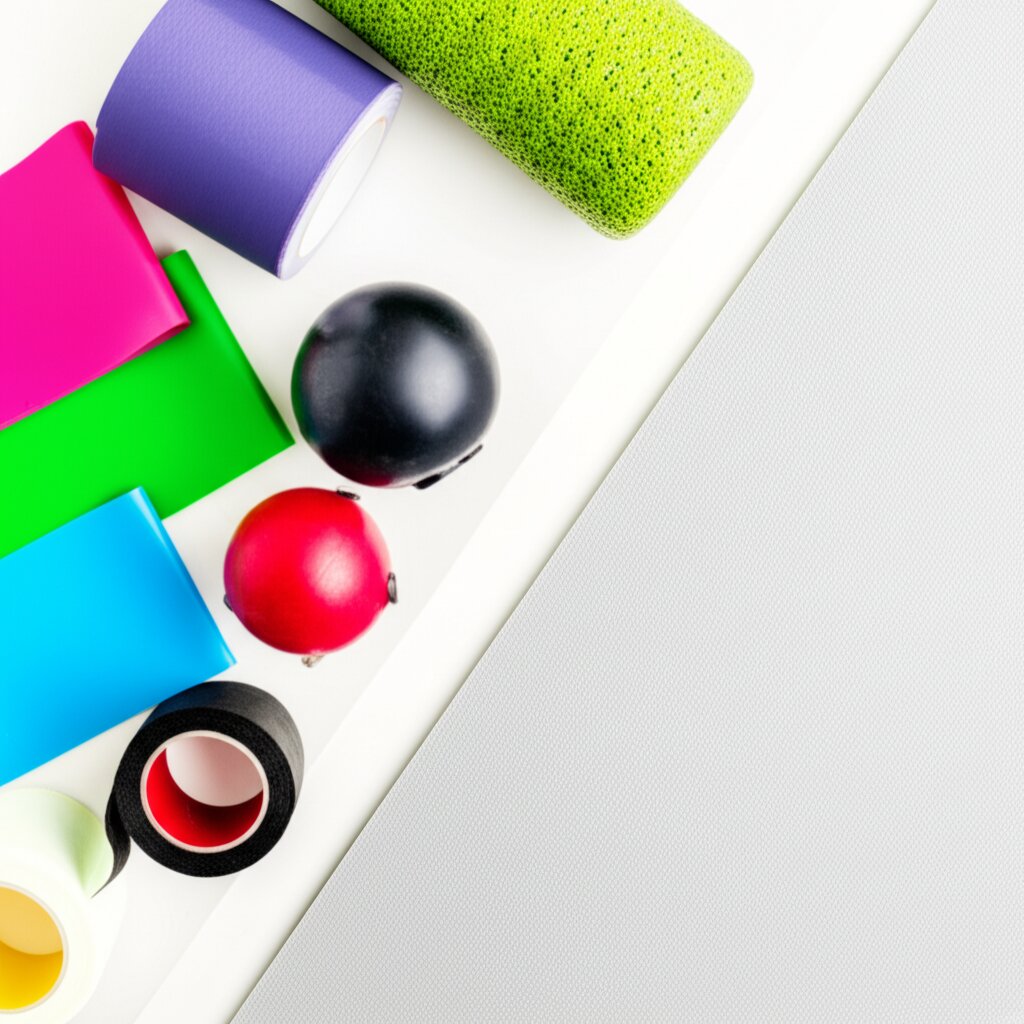
- Spanish Squats: I tied a thick resistance band around a rig and stepped into it, sitting back so the band held my weight. This allowed me to hold a static squat for 60 seconds. The burn in the quads was excruciating, but it took the load off the tendon.
- Tempo Squats (3-0-3): I dropped the weight to 60kg. I took 3 full seconds to go down. No bounce. 3 seconds up. This forced the tendon to remodel the collagen fibers correctly.
- The Result: My knees are bulletproof now. I can squat deep without a whisper of pain.
These injuries taught me patience. They taught me that durability is more important than intensity. I adjusted. I treated my injuries like bugs in my code-I debugged them, patched the system, and re-deployed.
The Self-Taught Coach
I take pride in the fact that I did this myself. I didn't have a personal trainer holding my hand.
I filmed every set. I sat in my room analyzing the bar path on my phone screen. "hips rose too early," "knees caved in."
I was both the experiment and the scientist. This journey taught me that I am capable of leading myself. I don't need permission to change. I just need a plan and the discipline to execute it.
Key Takeaways
- Research everything - Treat your body like a thesis; evidence beats opinions
- Progressive overload is king - Small, consistent improvements compound into massive results
- Injuries are data, not failures - Debug them systematically and come back stronger
- Trust the process - Results lag behind effort; patience is non-negotiable
- You can coach yourself - The information exists; discipline is the only barrier
Continue reading in Part 3: The Tamil Protocol...