The Boy Who Ate His Emotions
Looking back now, I realize I spent the first 24 years of my life sleepwalking. I wasn't malicious; I was just a "dumb kid" when it came to my own biology. I treated my body like a rental car-driving it hard, ignoring the warning lights, and filling it with the wrong fuel.
Growing up in Chennai, food wasn't just nutrition. It was culture. It was love. It was the primary language of my family.
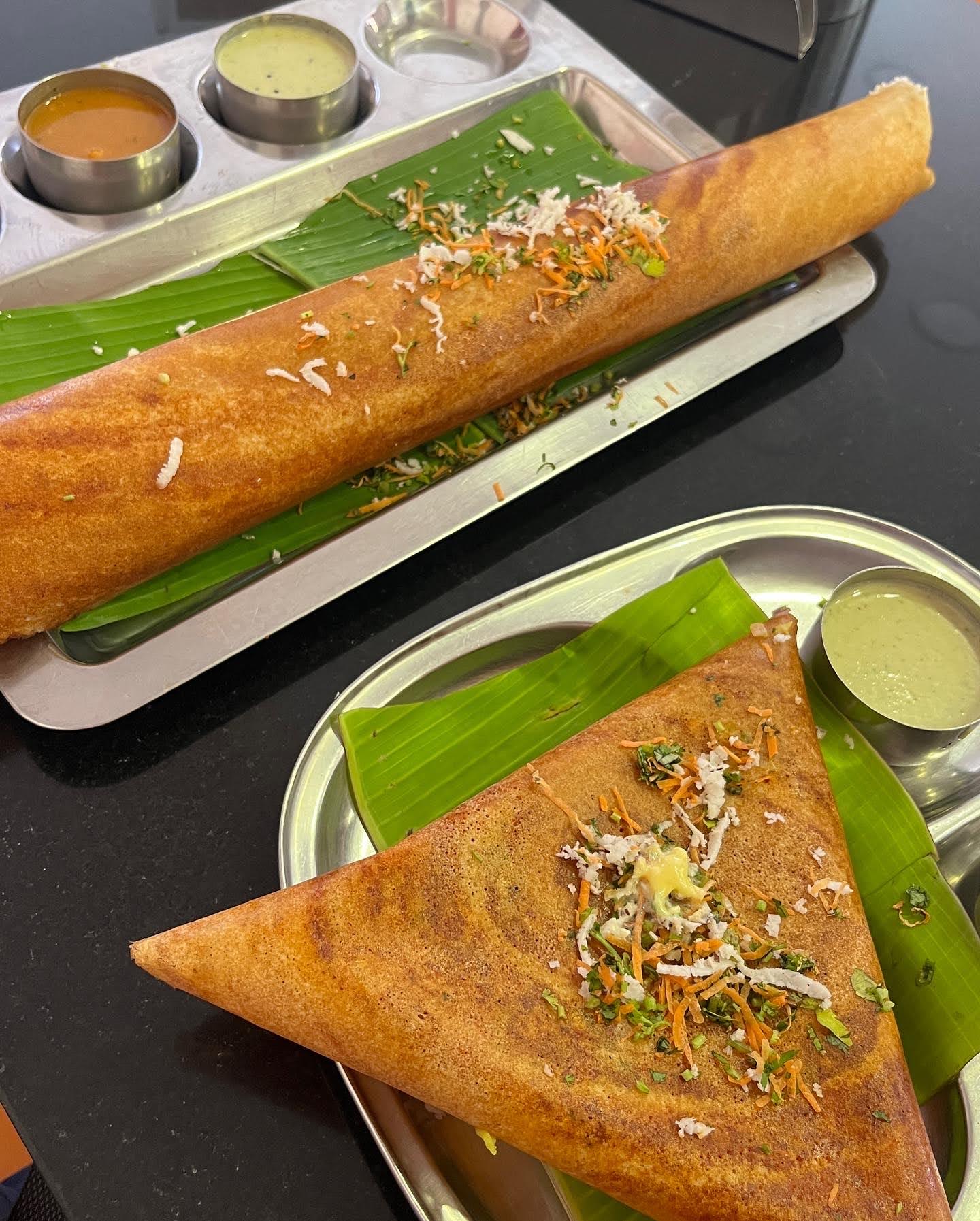
I remember the specific smell of ghee roasting on a hot tawa. It was hypnotic. I vividly remember sitting in the kitchen, watching my mom make dosas. I wouldn't stop at two or three like a normal person. I would polish off 12 dosas in a single sitting.
Then there were the biryanis-massive mountains of rice and meat that I would devour until I was physically unable to move. My tongue would salivate just thinking about the spices. It was a dopamine hit that I couldn't get anywhere else.
I was the "fat kid" in class, weighing over 100kg, but I laughed it off. I built a persona around being the "jolly big guy." Inside, I was uncomfortable. I couldn't run. I sweated constantly. But I didn't understand what a calorie was. I didn't know that my "happiness" was slowly poisoning my organs.
The Pressure Cooker (Ages 15-18)
My lifestyle was compounded by the intense pressure of the Indian education system. From the ages of 15 to 18, I was sent to a boarding school designed for one purpose: cracking the IIT exams.

Imagine a life with zero physical movement. We sat in classrooms for 12 hours a day. We studied, we ate, we slept, and we repeated. It was a pressure cooker. I wasn't the naturally gifted genius in the front row; I was the kid in the back, struggling to keep up, failing, and trying again.
The stress was constant. And how did I cope with the stress? I ate.
There were no sports. No running. No fresh air. Just books and anxiety. By the time I graduated, I had built a brain that could solve complex problems, but I lived in a body that was breaking down.
The Downward Spiral (University & New Zealand)
When I got to college (VIT), the pattern continued. My college was an hour away from home, so I spent two hours a day in traffic, exhausted. When I came home, I was "tired as fuck." I didn't have the energy to move. I was curious about technology, obsessed with research, so I poured all my remaining energy into my mind.
Then came the move to New Zealand for my Masters. It should have been a fresh start. Instead, it was the final blow.
COVID-19 hit.

Suddenly, I was isolated in a foreign country. I was lonely. I missed home. So, I recreated home the only way I knew how: through deep-fried food. I started cooking rich, heavy meals constantly. I started drinking alcohol to numb the boredom. I sat in front of my computer for 14 hours a day, researching, coding, and eating.
I went back to India for a holiday, toured Europe with my family, and treated myself to every delicacy I could find. I thought I was living the good life. I didn't know I was standing on a cliff edge.
The Day My Life Broke (October 29, 2023)
You never forget the date your life changes. For me, it was October 29, 2023.
I woke up with a scream trapped in my throat. It felt like someone had stabbed a knife into my chest and was twisting it. The pain was blinding. I was 24 years old, and I was terrified that I was having a heart attack.
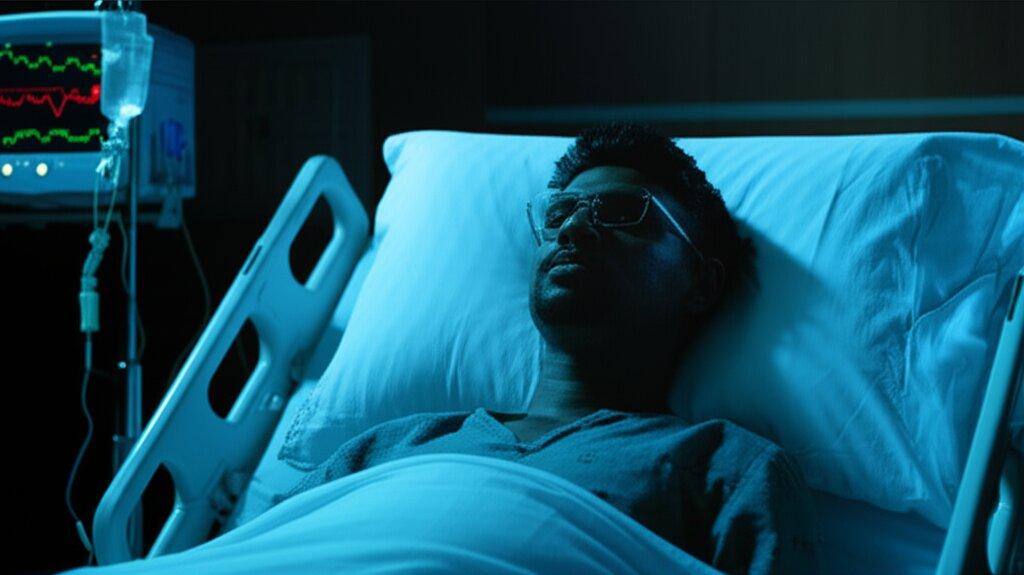
I was rushed to the hospital. The lights were too bright. The sounds were too loud. And the diagnosis was a laundry list of failures.
- Gallbladder Blocked: My gallbladder was packed with stones, completely non-functional.
- Stage 3 Fatty Liver Disease: My liver-the engine of my body-was drowning in visceral fat. It was failing.
- Obesity: My body was collapsing under the 100kg+ weight I had forced it to carry.

The doctors told me I needed emergency surgery to remove my gallbladder. I nodded, signed the papers, and went under anesthesia, hoping I would just wake up and everything would be fine.
The Humiliation: A Month in Hell
The surgery was successful, but the recovery was a nightmare. My body went into shock. For a month, I was bedridden.
The physical pain was bad-my abdomen felt like it had been ripped open. Every time I coughed, it felt like my stitches were tearing. But the mental pain was worse.
I was a PhD student. I was a researcher. I was an independent man. But in that hospital bed, I reverted to being a baby.
I couldn't stand up. I couldn't turn over. And the lowest moment of my life came when I realized I couldn't go to the bathroom alone.
I remember the shame washing over me as I had to ask my family to help me. I had to be wiped and cleaned like an infant. I lay there, staring at the sterile white ceiling, feeling my dignity dissolve. I felt useless. I felt like a burden to everyone I loved.
The Abyss and The Book
Depression didn't just visit; it moved in. I spent days crying silently, tears rolling down my cheeks into my ears. Dark thoughts started to creep in. Real, heavy thoughts.
"Why should I live like this?"
"If I am just a burden, if I am just in pain, what is the point?"
I was ready to give up. I was ready to accept that this was my life now-weak, broken, and sick. I felt like I had wasted my potential. I felt like the "fat kid" was all I would ever be.
But then, in the middle of that darkness, I found a lifeline.
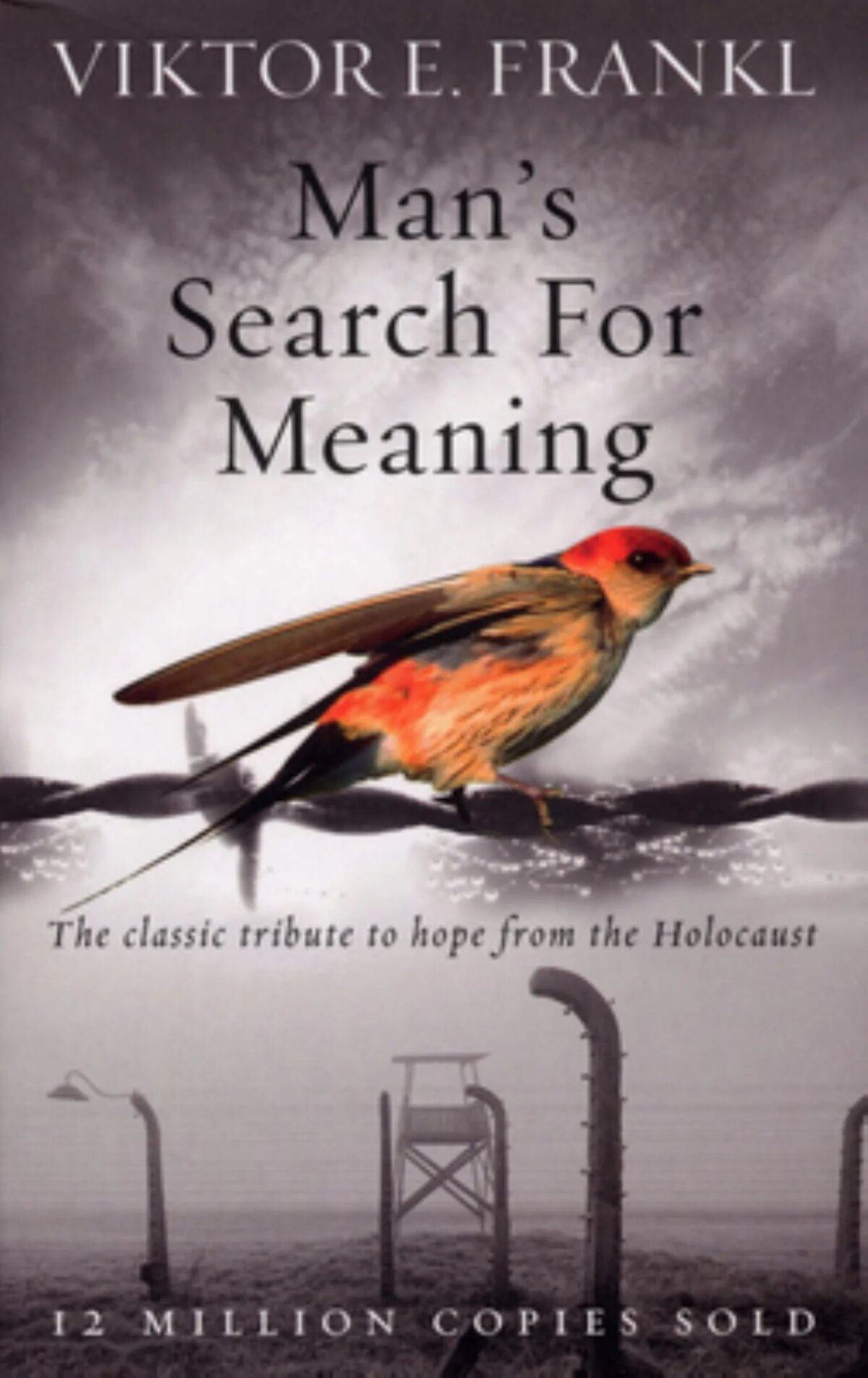
I picked up a book: "Man's Search for Meaning" by Viktor Frankl.
I read it with tears streaming down my face. Frankl was a psychiatrist who survived the Nazi concentration camps. He lost everything-his wife, his parents, his freedom. He was starved and tortured. Yet, he wrote that we always have a choice.
"Everything can be taken from a man but one thing: the last of the human freedoms-to choose one's attitude in any given set of circumstances, to choose one's own way."
It hit me like a lightning bolt. Here I was, lying in a comfortable bed, surrounded by family, feeling sorry for myself. Frankl had endured hell and found purpose.
I realized my suffering had a meaning too. This wasn't a punishment. It was a wake-up call. The "dumb kid" had to die so the man could be born.
I made a vow to myself that night. I will not just recover. I will build the strongest version of myself that has ever existed.
Key Takeaways
- Your body keeps score - Years of neglect compound silently until crisis hits
- Food is data, not therapy - Using food for emotional regulation creates dangerous patterns
- Rock bottom can be a foundation - The worst moments can become the launching pad for transformation
- Meaning defeats despair - Finding purpose in suffering is the first step to recovery
Continue reading in Part 2: The Grind...